|
|
Welcome to summer on the Lakes |
|
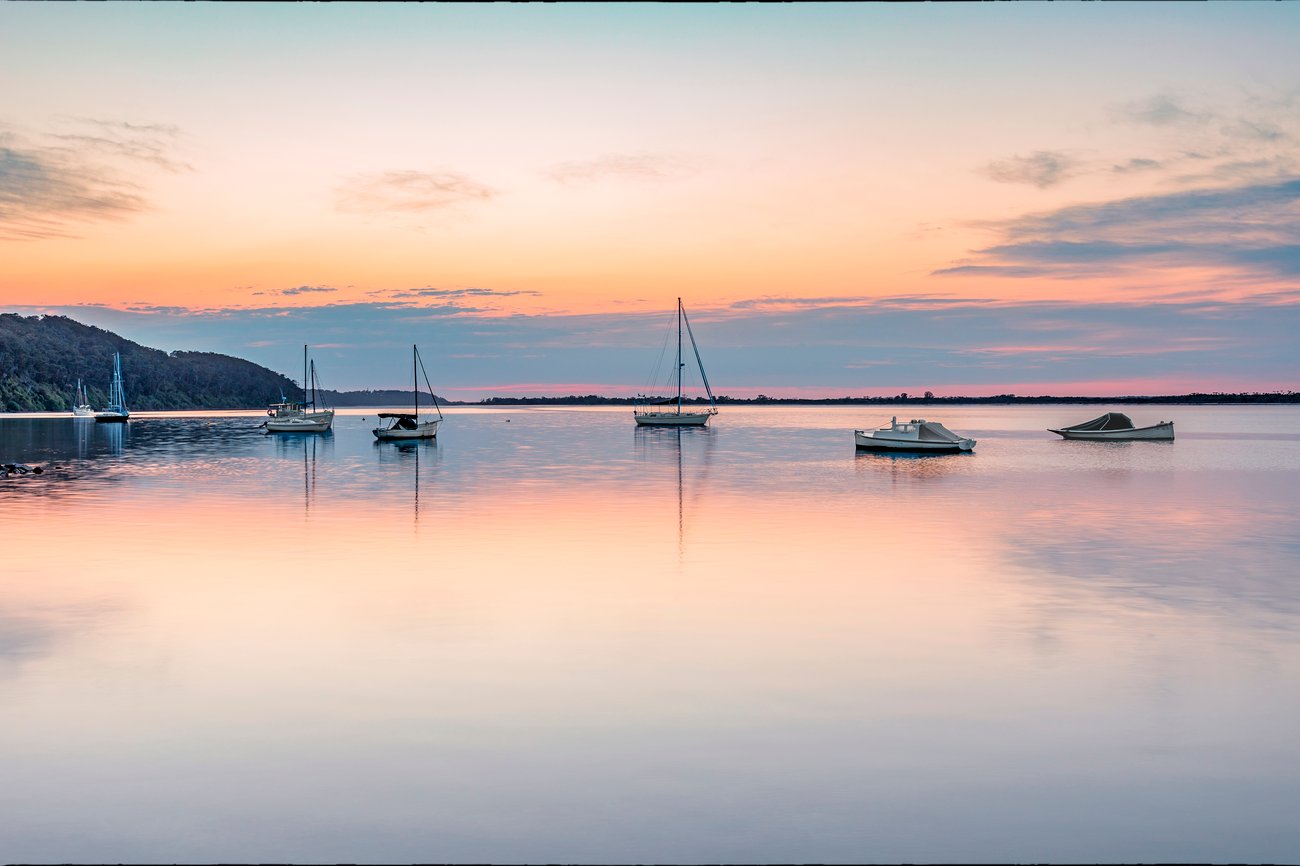
Long sunny days, wildlife breeding and projects being completed. Summer is a special time in Talikatoor - the Gippsland Lakes.
We are delighted to present an update on what's been happening around the Lakes as part of the Love Our Lakes program made up of 48 projects, 22 partners and a whole lot of love for making a difference to the health of the Lakes. We wish you all a very happy festive season and look forward to working with you in 2025.
|
|
|
|
|
 |
Talikatoor - Gunaikurnai Country |
|
Talikatoor – Little Flood – known today as the Gippsland Lakes is, and has always been, an important place for Gunaikurnai Traditional Owners. Ancestors travelled across the Bassian Plain – the land bridge to Tasmania now under Bass Strait – for thousands of generations and when the lake system formed after the last Ice Age, the Tatungalung and Krauatungalung clans utilised the abundance of resources provided.
In recent times, stronger involvement in the management of Sea Country is creating opportunities to improve economic outcomes for Gunaikurnai Traditional Owners, whose relationship with these cultural landscapes continues, even when the evidence of their previous occupation now lies beneath the ocean.
Gunaikurnai Land and Waters Aboriginal Corporation are an integral part of the Love Our Lakes program delivering many projects - read more
Join Gunaikurnai Elder Uncle Russell Mullett as he talks about the Lake's significance in the beautiful short video above. |
|
|
 |
Understanding and managing the Lakes together
|
|
Program made up of a whole lot of love for our Lakes
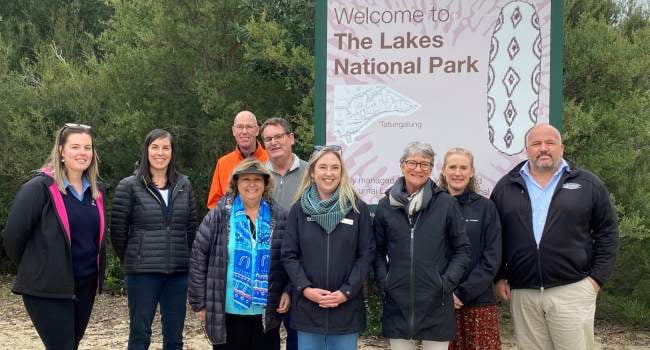
Gippsland Lakes Coordinating Committee is proud to lead the Love Our Lakes program of Traditional Owners, partners and community working together to monitor, understand and protect Talikatoor (Gippsland Lakes) on Gunaikurnai Country.
“The current Love Our Lakes program is made up of 48 projects delivered by 22 partners to improve the health of Gippsland Lakes over three years (2021-2024),” said Bec Hemming, East Gippsland CEO.
“Working together using scientific research, monitoring, on-ground projects, and community partnerships to understand and care for the Lakes’ dynamic system is the most effective way to protect them.”
“Gippsland Lakes Coordinating Committee, led by Chair Glenys Watts, oversees delivery of the projects and community grant allocations and is proud of the knowledge, experience and passion demonstrated in the program to care for the Lakes.”
Read the full story
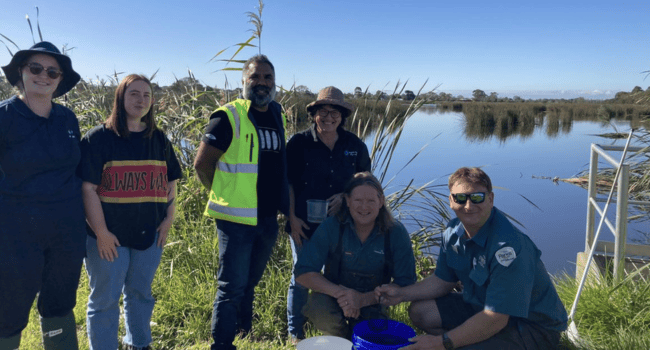
Press play to watch a summary video of the Love Our Lakes program. |
 |
 |
Annual Report showcases working together
|
|
The 2023-24 Gippsland Lakes Annual Report is now available highlighting key works, achievements and investment into improving the health of the Ramsar-listed Gippsland Lakes.
The report is structured in the key areas of:
-
Protecting the Traditional Owner country of the Gippsland Lakes Outer Barrier.
-
Improving the condition and connectivity of Lake Wellington and its wetlands.
-
Protecting and enhancing alpine ecosystems.
-
Improving the wetlands of Jones Bay.
-
Improving the condition of the East Gippsland catchments.
-
Understanding and improving aquatic habitats and ecosystems.
-
Improving the condition of the West Gippsland Catchments.
Read the full story and access the report here. |
New Ramsar Plan for Gippsland Lakes |
 |
|
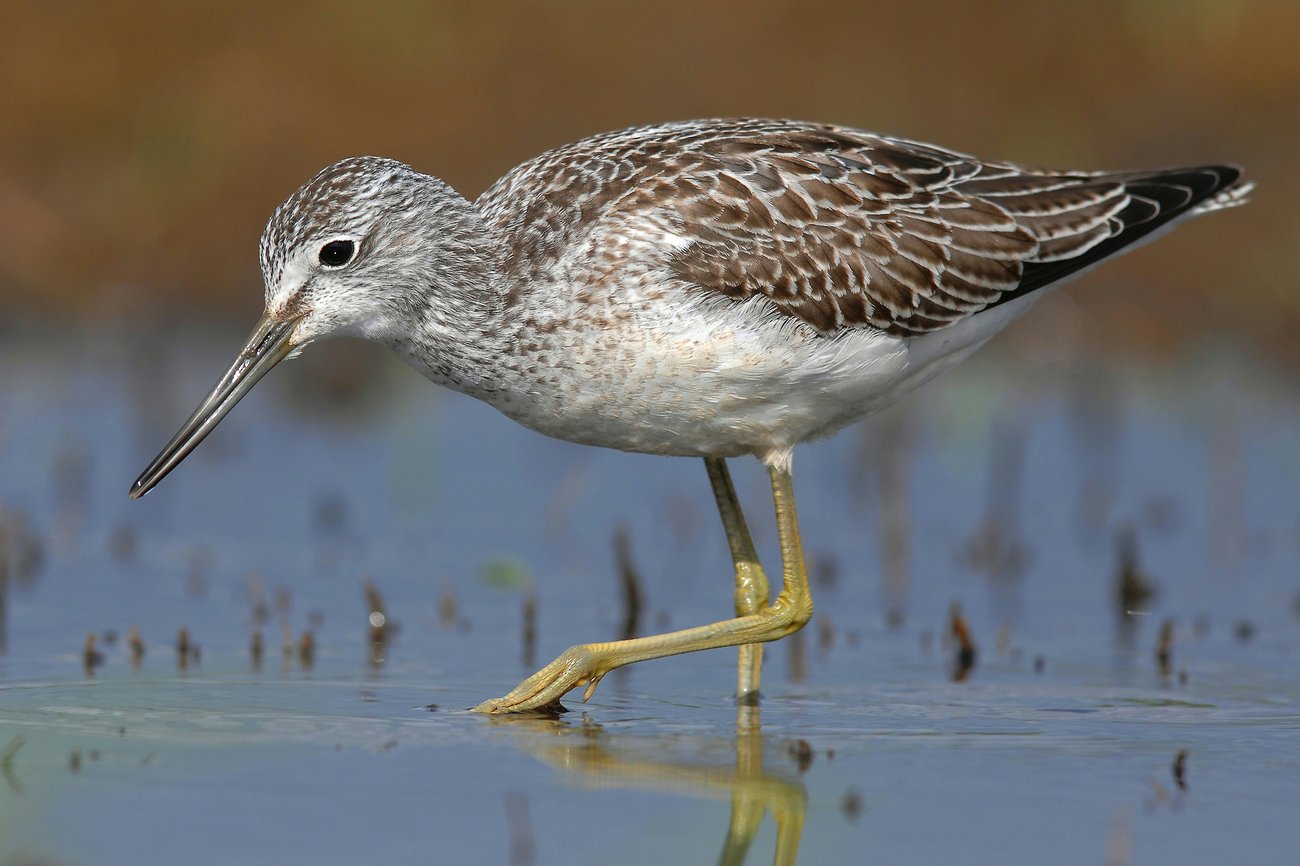
Gippsland Lakes Ramsar Site is one of twelve wetlands listed under the Ramsar Convention in Victoria and one of 64 wetlands areas in Australia, listed as a Wetland of International Importance under the Convention on Wetlands of International Importance (Ramsar Convention).
The Lakes were listed in 1982 and are recognised for outstanding significant coastal wetland values and features, including vital habitat for migratory bird species as well as supporting other crucial ecosystem services including nationally and internationally threatened wetland species, waterbird breeding and fish spawning sites.
The Gippsland Lakes are also an important tourism destination for the region, supporting commercial and recreational fisheries, boating, camping and general visitation activities.
East Gippsland CMA is proud to release the Gippsland Lakes Ramsar Site Management Plan 2024. The plan aims to maintain and improve the unique ecological character of the Gippsland Lakes through the promotion of conservation and wise use.
|
 |
Lakes’ endangered frogs caught in the act! |
|
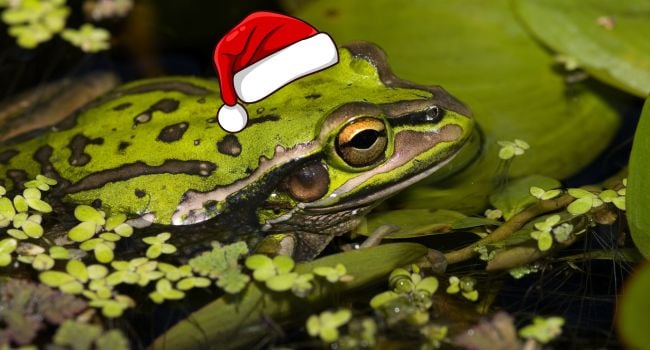
It’s great news for frogs in the Gippsland Lakes with researchers recording their first metamorph (young) Green and Golden Bell Frog and catching Growling Grass Frogs “in the act” of breeding in newly established ‘frog bog’ wetlands in the Lower Avon and Perry River areas.
The team from Greening Australia led by Martin Potts made the discovery as part of ongoing monitoring at the ‘frog bog’ wetlands which were constructed in 2022. A series of 15 specifically designed bogs, funded by the Love Our Lakes program, were installed on private property connecting identified high priority wetlands in the landscape.
Read the full story here
|
 |
New seagrass friendly moorings
|
|
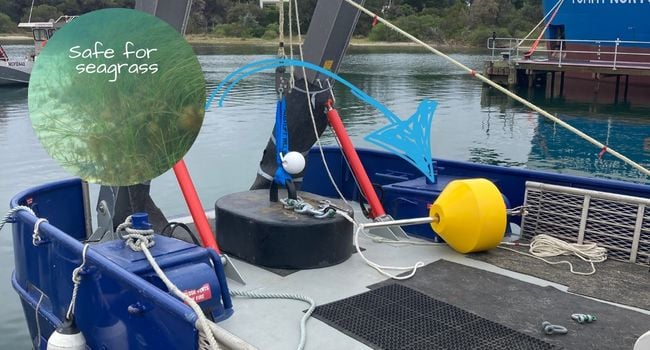
Ten new seagrass-friendly swing moorings have been installed for recreational boaters at popular destinations across the Gippsland Lakes.
Gippsland Ports delivered this project including the design, construction and implementation of the new moorings which will provide new temporary mooring opportunities for recreational boaters in the Lakes. The moorings have been designed to minimise disturbance to the lakebed with a focus on limiting damage to existing seagrass beds.
The swings moorings have been placed at locations which provide attractive destinations for waterway users, offering shelter in a variety of weather conditions.
There is now a total of 40 public swing moorings located in the Gippsland Lakes. To ensure fair and equitable use, all public swing moorings have a 48-hour time limit.
Click here for more info & list of locations
|
 |
|
|
Sand for shorebirds an important project on the Lakes |
|
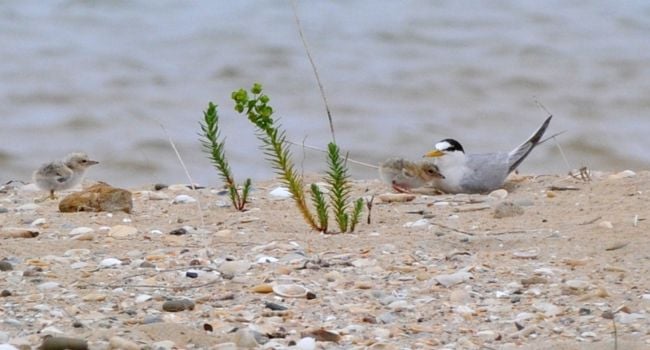
An important Sand for Seabirds project to renourish sand islands in the Gippsland Lakes is underway to restore habitat for beach nesting birds.
The multi-partner project led by Gippsland Ports is improving areas of shoreline across the Gippsland Lakes by depositing sand to restore critical shore bird nesting habitat. Up to five hectares of island shoreline is being improved through this project for critically endangered shorebirds such as Little and Fairy Terns.
The works are being completed according to a detailed profile design completed for Crescent Island, Horries Spit and Albifrons islands in 2023 which considered specific requirements for beach nesting bird habitat including the slope, height and width of the islands. Seagrass beds are also importantly being protected throughout works by avoiding populated areas in the adjacent channels.
Read the full story here. |
|
|
 |
Great news for Gippsland Lakes saltmarsh |
|
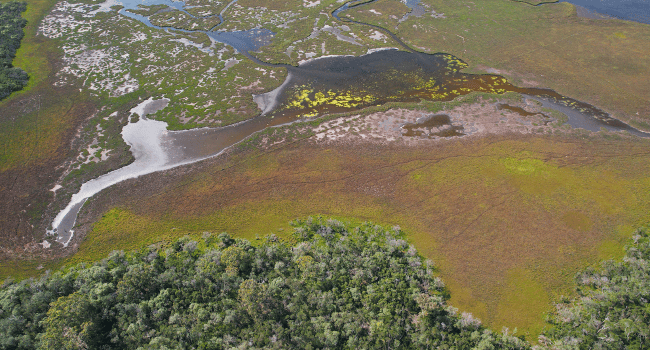
In great news, the most recent assessment of the condition of the Lakes' saltmarsh communities has shown them to be in ‘good to excellent’ condition.
The survey, undertaken by East Gippsland Catchment Management Authority used a newly developed method to record the condition of this important habitat type over time in the Gippsland Lakes Ramsar site.
“We are delighted with these latest results showing that saltmarsh communities are doing well in the internationally renowned Gippsland Lakes Ramsar wetland,” said Bec Hemming, CEO of East Gippsland CMA.
“This success is largely dedicated to projects we have been delivering with our partners and community over many years to work together to understand, protect and restore these delicate ecosystems.”
“Saltmarsh is an incredibly important plant community for the Lakes as it provides habitat for fish and birds and is also one of the key indicators we use to measure the health of the ecosystem.
Read the full story here
|
 |
|
|
Creating better homes for fish on the Lower Avon |
|
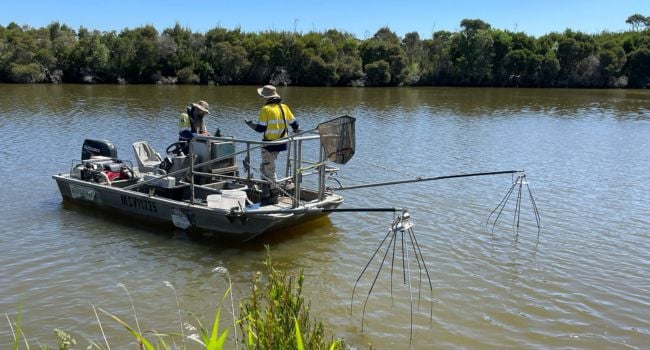
West Gippsland Catchment Management Authority has completed a project on the lower Avon River on Gunaikurnai Country to understand resident fish populations, create more habitat for them to thrive and improve facilities for fishers and river users.
The project included fish surveys, adding woody habitat into the river, repairing fishing platforms and planting native trees and is part of the Love Our Lakes program of works made up of 48 projects, being delivered by 22 partners to protect and enhance the health of the Gippsland Lakes. This project is part of works to enhance connectivity and condition around Lake Wellington.
Read the full story
|
|
|
|
|
|
|
|
Success so far for Lakes’ Sea-eagles survey |
|
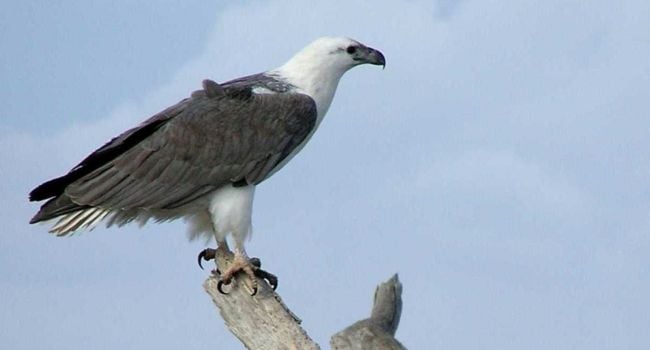
Results are in for the 2023-2024 White-bellied Sea-eagle breeding survey across the Gippsland Lakes. The summer census was the first in a two year monitoring project of the birds that happens only every ten years.
Last summer, BirdLife Australia and Birdlife East Gippsland carried out 44 inspections of 29 Sea-eagle nests of which 12 were found to be active with adults displaying breeding behaviours. In total 16 chicks fledged.
White-bellied Sea-eagles produce one to two eggs between June and September which are then incubated for approximately six weeks. When the eggs hatch, adult birds regularly attend the nest to supply the chicks with food. Chicks will fledge from the nest when they are between 10 and 12 weeks old.
The survey is running again in the 2024-25 breeding season and will conclude the study for this decade. White-bellied Sea-eagles are endangered in Victoria which makes these surveys very important in their ongoing conservation.
Find out more and how you can help.
|
|
|
 |
Strong connection to Country, Wurruk |
|
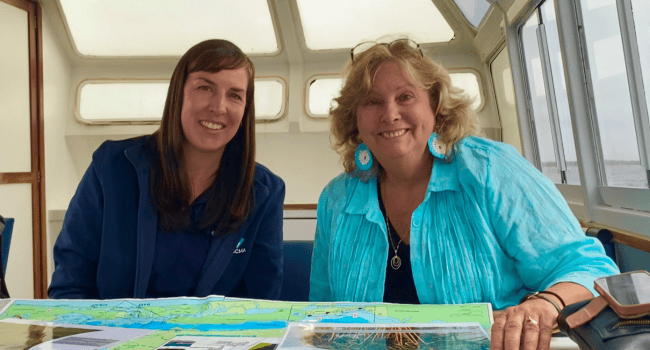
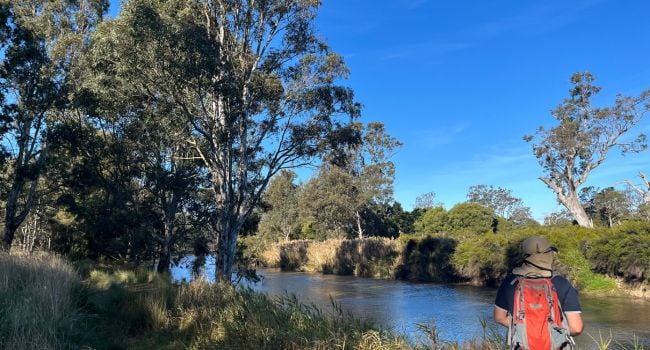
Meet Glenys Watts – Chair of the Gippsland Lakes Coordinating Committee that oversees the Love Our Lakes program.
“The Gippsland Lakes are part of the Traditional Lands and Waters of the Gunaikurnai People, who have cared for Country for tens of thousands of years and are continuing to have a say in how the lakes are cared for," said Glenys.
"The Gippsland Lakes are so special with the different coastal lagoons and fringing wetlands that cover approximately 60,000 hectares; fed by five major rivers spread across a catchment of over 20,000 square kilometres connected to the ocean at Lakes Entrance."
"My family are from Gippsland – Peppers, Thorpes and Hudson. My mum was born at Lake Tyers and we have cousins aunts and uncles all living in this area. My connection to Country Wurruk is really strong through my family heritage and stories that have been passed down to each generation. I have three children and four grandchildren."
Full story
|
 |
|
|
Mapping the Lakes' wetland vegetation |
|
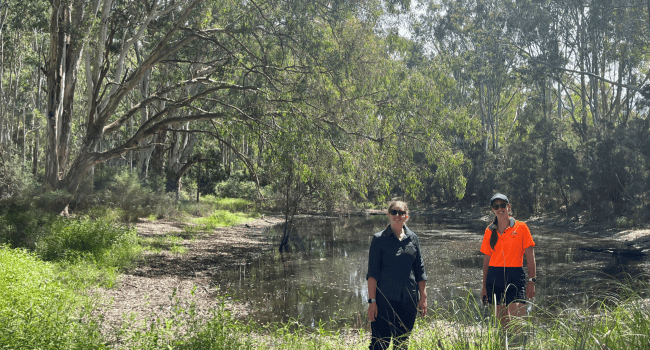
West Gippsland Catchment Management Authoity staff along with ecologist Doug Frood took the opportunity to survey the important and diverse wetland plants on Durt’Yowan (Latrobe River) floodplains as waters began receding after multiple wet years.
The surveys, undertaken on private land, are part of the Love Our Lakes program of works made up of 48 projects, being delivered by 22 partners to work together to protect and enhance the health of the Lakes.
As part of the Lower Latrobe Wetlands Flora and Fauna Monitoring, the project aims to map 3,576 hectares of vegetation and revisits existing vegetation monitoring undertaken in 2015. Results will monitor any change in condition of the sites and inform their ongoing management.
Full story
|
|
|
|
|
Community grants supporting Burrunan dolphins |
|
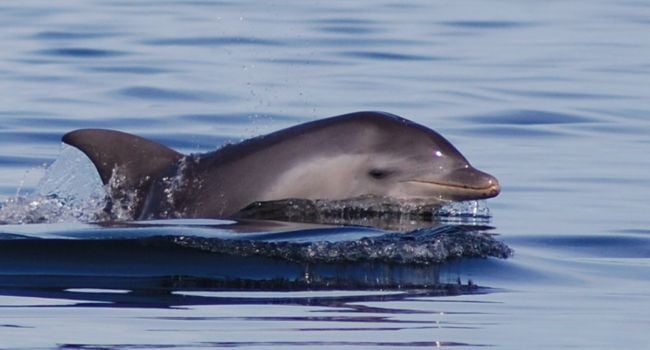
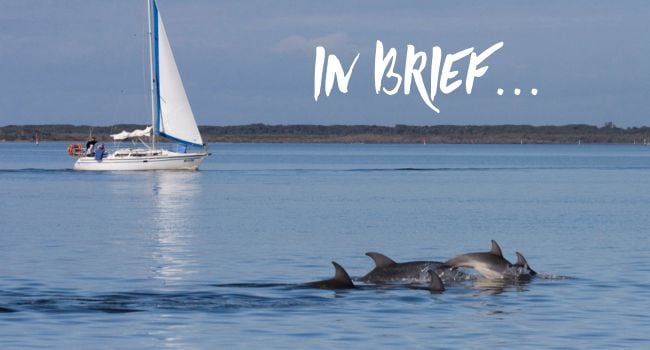
With support from the Love Our Lakes Community Grants Program, the Marine Mammal Foundation (MMF) invited participants to join them in the Burrunan Watch Citizen Science initiative in July. Burrunan Watch is MMF’s flagship citizen science program undertaken across the Gippsland Lakes, recording the vessel tracks taken across Lakes Entrance, and monitoring the interaction between dolphins and vessels.
As a part of this Burrunan Watch event, 32 volunteers participated in the initiative contributing over 74 volunteer hours, recording 189 vessel tracks across Lakes Entrance, and seven Burrunan dolphin sightings.
Discover more Marine Mammal Foundation Events Page |
|
|
|
|
Community grants supporting Landcare across the Lakes |
|
All year round, Landcare volunteers and community-led groups are working to protect and enhance the health of the Lakes.
Through the Gippsland Lakes Coordination Committee’s Community Grants, East Gippsland Landcare Network along with Nicholson River and Romawi Landcare groups are delivering four projects for the Lakes that are innovative, collaborative and, best of all, great for the Gippsland Lakes environment.
Read about the amazing work of each Landcare group here.
|
|
|
|
|
Giving Gippsland Lakes freshwater wetlands room to move |
|
As part of the Love Our Lakes program, West Gippsland Catchment Management Authority (CMA) is working with private landholders and partners to enhance water quality and reconnect freshwater wetlands to give them room to move along rivers flowing into Gippsland Lakes.
The preservation and enhancement of freshwater wetlands is a high priority, particularly in response to climate change, rising sea levels and salinity in wetlands closer to the Gippsland Lakes.
The project aims to improve the condition of priority fringing wetlands along the lower Carran Carran (Thomson), Wirn wirndook Yeerung (Macalister) and Durt’Yowan (Latrobe) river reaches.
“Works are being undertaken at sites around Sale that flow into Lake Wellington and the greater Gippsland Lakes System. Each has been identified as a priority for waterbirds and frogs,” said Martin Fuller, CEO of West Gippsland CMA.
Get the full story. |
|
|
|
|